Ever looked around your house and thought, “This could be better,” but stopped short of picking up a hammer?
You’re not alone. With home prices high, supply chains still shaky, and renovation timelines stretching longer than ever, most homeowners aren’t itching to take on a full-scale remodel. Instead, people are rethinking what it means to improve their space—favoring smaller, smarter projects that make daily living smoother without draining savings or sanity. In this blog, we will share basic home improvement projects to consider when your house needs a refresh, not a full reset.
Start With What You Use Every Day
If your kitchen drawers stick, your bathroom faucet drips, or your closet doors don’t slide anymore, start there. These aren’t exciting upgrades, but they impact how you move through your day. When the basics work, your home feels cared for—even if you haven’t touched the decor in years.
Small fixes like replacing worn cabinet hardware, upgrading to soft-close hinges, or finally getting rid of that warped pantry door bring a kind of quiet satisfaction that no new paint color can replicate. These low-cost improvements also sharpen your skills and confidence, letting you learn what tools you need, what your house responds to, and how to stay out of the emergency room while holding a screwdriver.
This is where momentum begins. You’re not just repairing; you’re removing friction from your daily routines. That’s what real improvement looks like.
Efficiency Upgrades Make Comfort Feel Earned
One of the most overlooked places to start is your windows. Not the blinds. The actual glass and frames. Drafty windows silently bleed money, especially in climates that swing hard between seasons. And with energy costs trending upward in most U.S. regions, insulating your home isn’t just a green move—it’s a financial one.
Opting for replacement windows means more than fixing a crack or upgrading the style. It improves insulation, reduces outside noise, and makes temperature control more consistent. Well-installed windows can help your HVAC system work less, lower your utility bill, and even boost your home’s value. Plus, modern designs have better security locks and UV-blocking technology that protects your furniture and floors from fading.
If you’ve ever stood near a single-pane window during winter and felt the cold radiate through the glass, you know it’s not just a comfort issue—it’s an energy sink.
Light is not Decoration—it’s Infrastructure
Far too many homes are lit like hospital hallways or moody dive bars, with nothing in between. The truth is, light is a tool. It shapes how you see, how you work, and how you feel. Replacing outdated fixtures with LED lighting that has adjustable color temperatures gives you more control over your space.
Bright white for work. Warm soft tones for winding down. Directional lighting for kitchens and task areas. This isn’t a luxury upgrade—it’s what makes your house functional from morning to night. Adding under-cabinet lighting, wall sconces, or dimmer switches in high-traffic areas brings depth without major wiring changes.
Better light doesn’t just improve visibility. It sets the tone. And in homes where space is limited, tone becomes the difference between a room you tolerate and a room you actually want to be in.
Paint Smart, Not Trendy
Nothing beats paint for impact per dollar, but people still get it wrong. The mistake? Using it to chase style instead of create space. Yes, a bold accent wall looks great on Pinterest—but living with it is a different story.
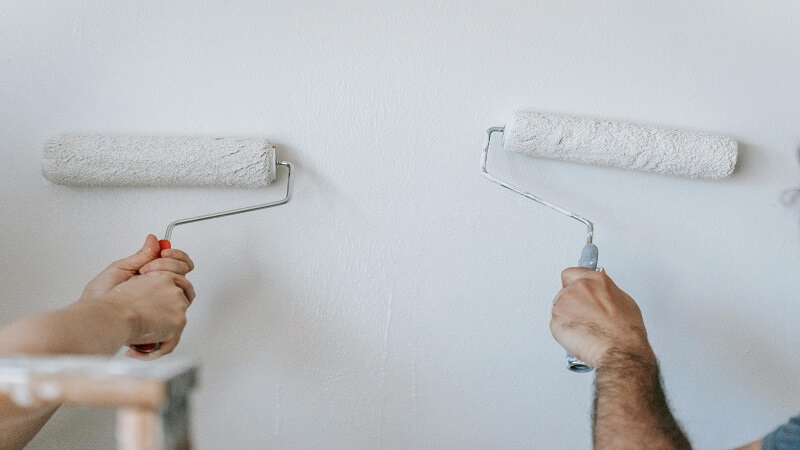
The smarter route is to repaint with purpose. Use color to shape how rooms feel. Light colors expand small spaces. Deep tones bring warmth to open layouts. Repainting trim, ceilings, or tired cabinets can modernize a room faster than buying new furniture. And if your walls haven’t seen a brush since the 2000s, even the same color will look better just because it’s fresh.
Don’t forget about finishes. High-traffic areas benefit from eggshell or satin. Matte works better in rooms that don’t get much wear. Gloss has its place, but use it sparingly—unless you want your hallway to reflect like a funhouse mirror.
Replace The Floor You Can’t Stand Anymore
Flooring feels permanent—until it doesn’t. If you’ve lived with stained carpet, chipped tile, or creaky laminate for years, replacing it can dramatically change how your home feels. It’s a bigger project than most others on this list, but it doesn’t have to be overwhelming.
Peel-and-stick vinyl plank flooring has come a long way in durability and design. It’s affordable, water-resistant, and DIY-friendly for smaller rooms like bathrooms or laundry areas. If you want more longevity, engineered hardwood offers the look of traditional wood with better resistance to moisture and wear.
Even swapping out small zones—like retiling the entryway or replacing worn stair treads—can reduce visual fatigue and signal care. Floors take the most abuse. Updating them changes how every step feels. Literally.
Function is The New Flex
During the pandemic, people learned the hard way how poorly their homes functioned under stress. Kitchens too small to cook in. No place to work. Zero privacy for calls or Zoom meetings. That shift didn’t just change behavior—it redefined what “home improvement” even means.
Today, basic upgrades that improve how a house works—more than how it looks—are the ones that hold long-term value. Adding storage to dead space under the stairs. Building a desk nook into a hallway. Turning a neglected corner into a reading spot with a lamp, chair, and small shelf. These aren’t flashy remodels. They’re functional upgrades that reflect how people actually live now.
And they work. Not just for resale, but for daily peace of mind.
The Big Shift: Comfort Over Prestige
For years, home upgrades were about showing off. Giant granite counters, media rooms, open-concept everything. But the trend has shifted. With rising costs, more time spent at home, and growing attention to mental health, people now look for comfort, efficiency, and flexibility.
A home that supports your habits, adapts to your needs, and lowers your stress is far more valuable than one that’s trying to impress the neighbors. Basic doesn’t mean boring—it means thoughtful. Done right, even small improvements can create a house that feels easier to live in, more enjoyable to wake up in, and less frustrating to maintain.
And when it comes to home improvement, that’s the real goal: a space that works with you, not against you. You don’t need a full remodel to get there. You just need to start with what you use, what’s worn out, and what makes your day a little harder than it needs to be. Then fix that. Everything else follows.