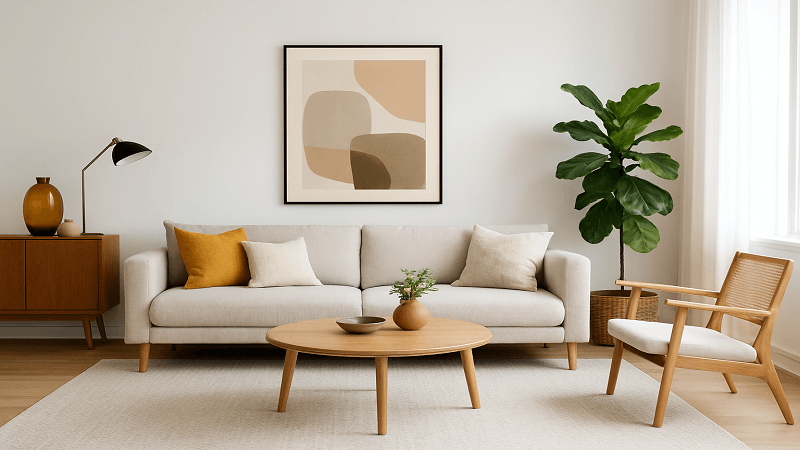
Creating a comfortable, functional, and beautifully designed home is a journey that requires knowledge, planning, and the right guidance. The homenumental house infoguide by homehearted is designed to be your trusted companion in that journey—whether you want to decorate, renovate, organize, repair, landscape, or upgrade your house with smart living solutions. This comprehensive guide goes beyond basic tips, giving you step-by-step instructions, expert insights, and practical advice to turn every room and outdoor area into a space that truly feels like home.
Whether you are a new homeowner, a design enthusiast, or someone who simply wants to make their living space more enjoyable and functional, this guide will walk you through everything you need—from planning and designing to execution and upkeep. With thoughtful breakdowns, professional recommendations, and lifestyle-enhancing strategies, you’ll gain confidence to improve your home in ways that match your needs, style, and budget.
1. Understanding the Homenumental Approach to Home Living
Before transforming your home, it’s important to understand why guidance matters. Many homeowners struggle with:
- Not knowing where to start
- Choosing designs they later regret
- Renovation budgeting challenges
- Poor layout flow or space utilization
- Making stylistic decisions without a vision
- Lack of planning for long-term maintenance
The homenumental house infoguide by homehearted serves as a structured roadmap. It ensures that every decision—from furniture placement to garden selection—is meaningful, intentional, and aligned with your lifestyle.
Why the Homenumental Approach Works
This approach is based on four core principles:
-
Function comes before decoration
A home should make life easier, not harder. Design must serve usability first. -
Every space should have purpose
A room without intention becomes wasted space. -
Style must reflect the homeowner’s personality
Real comfort comes when your home feels like you. -
Maintenance matters as much as creation
A stylish home falls apart without long-term upkeep strategies.
By following these principles, homeowners not only enjoy better designs but make more efficient use of time, effort, and money.
2. Planning Your Home Transformation: The Foundation of Success
Any home improvement project—big or small—begins with proper planning. This step helps eliminate confusion, overspending, and design mismatches.
Assessing Your Current Space
Start with a full evaluation of your home:
- What areas need improvement?
- Which rooms feel uncomfortable or impractical?
- What daily frustrations exist?
- How is the storage system?
- What works well and should remain?
Write everything down. This home audit helps you better understand your priorities.
Knowing Your Goals
Define what you want to achieve:
- More comfort?
- Aesthetic upgrade?
- Sale value improvement?
- Energy efficiency?
- More organized living?
- Kid-friendly or pet-friendly adjustments?
Your goals determine the direction of your renovation and decoration decisions.
Creating a Realistic Budget
Budget planning includes:
- Material costs
- Labor
- Tools and delivery
- Emergency reserve (10–15%)
A realistic budget prevents projects from stalling midway and allows you to finish with confidence.
3. Interior Design and Space Planning
Interior design is more than choosing beautiful furniture—it shapes how you move, live, and feel within your home.
Understanding Home Layout Flow
Well-designed homes follow psychological and practical travel patterns. For example:
- Kitchens should be near dining areas
- Bedrooms should be located away from noisy spaces
- Hallways should not obstruct furniture flow
Mapping how people move through your home helps make each space user-friendly.
Using Zones for Better Space Management
Rooms today often serve multiple functions. Think in zones:
- Living room: entertainment + relaxation
- Kitchen: cooking + storage + meal prep
- Bedroom: sleep + dressing + personal workspace
Zoning helps determine how furniture and accessories should be arranged to support multiple purposes without clutter.
Choosing a Design Style
Popular styles include:
- Modern
- Scandinavian
- Minimalist
- Traditional
- Industrial
- Bohemian
- Rustic farmhouse
- Contemporary luxury
Choose a style that aligns with your personality and preferences. Mixing styles is also acceptable as long as they visually blend.
4. Choosing Color Schemes and Materials
Colors and materials play a huge role in mood, texture, and space impression.
How Colors Affect Feelings
- Warm colors (rust, red, mustard) make spaces feel cozy.
- Cool colors (blue, gray, green) create calm environments.
- Neutrals (white, beige, cream) make areas look spacious and clean.
Always test paint samples against actual lighting conditions before finalizing.
Material Selection
Pick materials based on:
- Durability
- Maintenance needs
- Budget
- Texture and visual comfort
For example:
- Ceramic floors are great for kitchens and bathrooms.
- Wooden flooring brings warmth to living areas.
- Granite and quartz are best for heavy-use countertops.
Choosing practical materials saves money and time long-term.
5. Furniture Selection and Placement
Furniture has the power to make or break a room. Focus on:
Buying the Right Furniture
Ask yourself:
- Is it comfortable?
- Is it the right size for the room?
- Does it complement the design style?
- Does it offer storage if needed?
Always measure spaces before purchasing.
Placement Strategy
A good rule:
- Large furniture first
- Accent pieces later
- Accessories last
Make sure walkways remain open and the room never feels overcrowded.
6. Lighting – The Most Underrated Design Element
Great lighting transforms a home completely. Every room needs three types:
- Ambient lighting – overall brightness
- Task lighting – reading lamps, kitchen lights, desk lamps
- Accent lighting – highlighting art, décor, architectural details
Lighting for Different Rooms
- Living room: warm lighting for relaxation
- Kitchen: bright white task lights for visibility
- Bedrooms: soft warm lighting for calm
- Bathroom: frontal lighting for mirrors
- Garden: solar or LED pathway lighting
Layered lighting helps create atmosphere while supporting functionality.
7. Smart Home Upgrades
Technology makes modern living easier. Popular upgrades include:
- Smart thermostats
- Video doorbells
- Voice-controlled assistants
- Smart lighting systems
- Automated irrigation for gardens
- Energy-efficient appliances
These systems improve comfort, security, and long-term savings.
8. Kitchen Renovation and Organization
Kitchens are the heart of the home, and optimizing them boosts everyday convenience.
Planning a Kitchen Renovation
Consider:
- Appliance placement
- Storage improvement
- Lighting
- Counter space
- Safety and ventilation
Functional Kitchen Layouts
Common layouts:
- L-shaped
- U-shaped
- Gallery
- Island kitchen
- Open-plan kitchen
Choose the one that best fits your home structure and lifestyle.
9. Bedroom Improvement and Comfort Design
Bedrooms must prioritize rest and relaxation.
Steps to Improve Bedrooms
- Choose calming color palettes
- Invest in good bedding and mattresses
- Use blackout curtains if needed
- Add soft rugs for warmth
- Keep décor simple to prevent visual stress
Small improvements can make the space feel luxurious and personal.
10. Living Room Upgrades and Styling
Living rooms are viewed by guests and used by the entire family.
Tips for Better Living Rooms
- Pick a focal point (TV wall, art, fireplace)
- Use comfortable but stylish seating
- Add statement lighting
- Incorporate indoor plants
- Keep storage solutions creative but subtle
Mirrors can also enlarge small rooms visually.
11. Bathroom Renovation and Hygiene Design
Bathrooms need practical planning because they combine water, electric fixtures, and daily usage.
Improvement Ideas
- Add anti-slip flooring
- Install ventilation fans
- Choose mold-resistant paint
- Use bright lighting for clarity
- Add overhead storage if space is limited
Even small bathrooms can look spacious with correct tiling and lighting.
12. Garden and Outdoor Space Enhancement
Outdoor spaces extend usable living areas. Gardens provide fresh air, natural beauty, and relaxation.
Outdoor Improvement Tips
- Choose plants based on climate
- Include seating zones
- Install pathway lighting
- Use vertical gardening for small yards
- Add fountains or water features for ambience
Whether large or tiny, an outdoor area brings joy and peace when planned well.
13. Storage Solutions for an Organized Home
A beautiful home only shines when clutter is under control. Use:
- Floating shelves
- Multi-purpose sofas
- Bed-under drawers
- Vertical wall systems
- Closet organizers
- Kitchen cabinet dividers
The goal is to maximize space without crowding.
14. Home Maintenance – The Secret to Long-Term Value
A well-maintained home performs better and aged slower.
Maintenance Checklist
- Inspect roof yearly
- Service HVAC system
- Check plumbing for leaks
- Refresh paint every 3–5 years
- Clean gutters seasonally
- Sharpen garden tools
- Lubricate doors and windows
Consistent attention saves homeowners expensive repairs later.
15. Home Safety and Family Protection
Safety should always be a priority. Install:
- Smoke and carbon monoxide detectors
- Smart locks
- Fire extinguishers
- Outdoor cameras
- Stair-safe handrails
- Anti-slip mats
Child-proofing and elderly-friendly adjustments may also be necessary.
16. Sustainable and Eco-Friendly Living
Green homes lower energy bills and improve the environment.
Eco-Friendly Upgrades
- LED bulbs
- Rainwater harvesting
- Native plants for low watering
- Solar panels
- Energy-efficient appliances
- Recycled building materials
These improvements reduce waste and create long-term environmental benefits.
17. Final Thoughts
Improving a home is more than decoration—it is a lifestyle transformation. With thoughtful planning, smart upgrades, practical designs, and regular maintenance, every homeowner can create a space they love waking up in.
The homenumental house infoguide by homehearted empowers you to:
- Understand your space
- Plan intelligently
- Design beautifully
- Renovate efficiently
- Maintain confidently
No matter what size your home is or what your budget may be, the journey toward a beautiful house begins with knowledge—and the right guide.