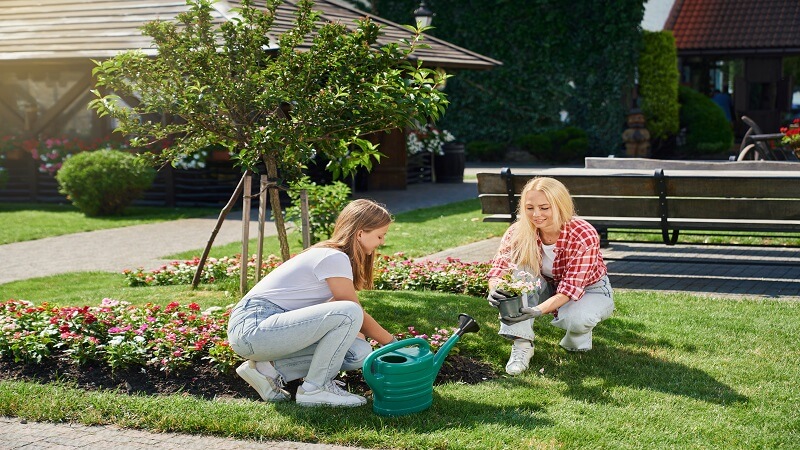
A garden is more than just a patch of green—it’s a sanctuary of life, color, and serenity. Whether you have a sprawling backyard, a cozy balcony, or a small courtyard, gardening offers endless opportunities to create beauty, reduce stress, and enhance your living environment.
In this detailed Garden Advice HomeNumental guide, you’ll learn everything from the basics of garden planning to expert techniques for maintaining your plants year-round. This article will walk you through the essentials of designing, planting, and sustaining a vibrant, healthy garden—no matter your space or skill level.
1. Understanding Your Garden Space
Before you pick up a shovel or plant a seed, the first step in successful gardening is understanding your space.
Assess the Size and Layout
Start by observing your available area:
- Small spaces (like balconies or patios) are ideal for container gardens and vertical setups.
- Medium spaces can host flower beds, herb patches, or raised vegetable gardens.
- Large yards allow for elaborate landscaping, trees, and even mini orchards.
Sketch your layout roughly to visualize where each feature—plants, walkways, seating, or décor—will go.
Check Sunlight and Shade
Sun exposure determines which plants will thrive:
- Full Sun (6–8 hours/day) – Ideal for most vegetables, herbs, and flowering plants.
- Partial Sun (3–5 hours/day) – Great for leafy greens and certain ornamental plants.
- Shade (<3 hours/day) – Perfect for ferns, hostas, or indoor varieties.
Use this information to plan what goes where.
Evaluate Soil Type
Your soil type affects everything.
Common soil types include:
- Clay Soil: Dense, retains moisture, needs compost for aeration.
- Sandy Soil: Drains quickly, requires organic matter to hold nutrients.
- Loamy Soil: Ideal mix of sand, silt, and clay—rich and balanced.
Conduct a simple soil test (available at garden stores or online) to check pH and nutrient levels before planting.
2. Planning the Perfect Garden
A successful garden begins with smart planning.
Choose Your Garden Style
Pick a theme that matches your home and lifestyle:
- Cottage Garden: A mix of colorful flowers and herbs, informal yet charming.
- Modern Minimalist Garden: Clean lines, symmetry, and a few statement plants.
- Vegetable Garden: Practical and rewarding, perfect for healthy homegrown produce.
- Zen Garden: Simple arrangements with stones, moss, and calming plants.
Define the Purpose
Ask yourself: what do you want your garden to do for you?
- A relaxing retreat for reading or meditation?
- A productive space for growing food?
- A social spot for entertaining guests?
This purpose guides your design and plant selection.
Create a Planting Calendar
Different plants thrive in different seasons. Create a planting schedule for:
- Spring: Flowers, vegetables, and herbs like basil or mint.
- Summer: Heat-tolerant plants such as tomatoes and zinnias.
- Fall: Root vegetables and hardy greens.
- Winter: Evergreens, succulents, and indoor potted plants.
3. Selecting the Right Plants
Choosing the right plants is the foundation of your garden’s success.
Understand Plant Zones
Every region falls into a specific USDA Hardiness Zone (or similar local classification). These zones determine which plants survive best in your climate. Always choose plants that match your zone’s temperature range.
Mix It Up
A good garden includes a combination of:
- Perennials: Plants that return year after year (e.g., lavender, roses).
- Annuals: Bloom beautifully for one season (e.g., petunias, marigolds).
- Shrubs & Trees: Provide structure and shade.
- Climbers & Vines: Add height and visual appeal to fences or trellises.
Balance Function and Beauty
Grow useful plants alongside decorative ones. Herbs like rosemary, mint, and thyme add fragrance and flavor, while marigolds and basil repel pests naturally.
4. Essential Tools for Gardening
Before diving into the dirt, equip yourself with the right tools.
Basic Tools:
- Hand Trowel: For digging and transplanting small plants.
- Pruning Shears: Keep your plants trimmed and healthy.
- Gloves: Protect hands from thorns, soil, and chemicals.
- Watering Can or Hose: Ensure consistent hydration.
- Garden Fork & Spade: For turning soil and planting larger shrubs.
Advanced Tools:
If you have a larger garden, consider:
- Wheelbarrow: For moving soil or compost.
- Garden Hoe: Helps in weeding and shaping beds.
- Compost Bin: Recycles organic waste into nutrient-rich soil.
5. Soil Preparation and Composting
Healthy soil = healthy plants.
Step 1: Clean the Area
Remove weeds, rocks, and debris before planting.
Step 2: Loosen the Soil
Use a spade or tiller to break up compacted soil for better root growth.
Step 3: Add Compost or Organic Matter
Mix compost, aged manure, or peat moss to enrich the soil.
Step 4: Mulching
Add a 2–3 inch layer of mulch (wood chips, straw, or bark) to retain moisture and prevent weeds.
Composting Tips
- Collect kitchen scraps (vegetable peels, coffee grounds, eggshells).
- Mix with yard waste (leaves, grass clippings).
- Turn the compost weekly to aerate it.
Within a few months, you’ll have natural fertilizer that boosts plant health.
6. Planting Techniques and Timing
Now that your garden is ready, it’s time to plant.
Seed Planting
- Sow seeds at the depth recommended on their packets.
- Keep soil moist but not soggy.
- Thin seedlings once they sprout to give each plant enough space.
Transplanting Seedlings
- Water seedlings before transplanting.
- Dig a hole slightly larger than the root ball.
- Gently remove the plant and set it in place.
Watering Schedule
- Morning watering is best—it prevents evaporation and mold.
- Avoid watering leaves directly; focus on the soil.
- Adjust frequency based on weather conditions.
7. Garden Maintenance
Your work doesn’t stop after planting. Maintenance keeps your garden flourishing.
Regular Tasks
- Weeding: Pull out weeds weekly to prevent competition.
- Pruning: Cut dead or diseased branches regularly.
- Feeding: Use organic fertilizers every few weeks.
- Pest Control: Look out for aphids, snails, and caterpillars.
Natural Pest Remedies
- Neem oil works well against many pests.
- Garlic spray repels insects.
- Marigolds planted around vegetables deter bugs naturally.
Seasonal Care
- Spring: Fertilize and prune early growth.
- Summer: Maintain hydration and weed regularly.
- Fall: Harvest produce and add compost.
- Winter: Protect sensitive plants with mulch or covers.
8. Watering and Irrigation Tips
Consistent watering is key.
Manual Watering
Water deeply and less frequently to encourage deep root growth.
Irrigation Systems
- Drip Irrigation: Delivers water directly to roots—saves time and water.
- Sprinklers: Great for lawns and larger gardens.
- Self-Watering Pots: Ideal for balconies and small spaces.
Monitor moisture levels using a simple soil meter.
9. Garden Décor and Aesthetics
Make your garden not just functional but also beautiful.
Add Pathways
Gravel, stone, or wooden walkways define spaces and make access easier.
Include Garden Furniture
Benches, hammocks, or small tables turn your garden into a relaxation zone.
Lighting
Solar-powered lights or lanterns enhance beauty at night.
Art and Accessories
Add bird baths, sculptures, or wind chimes for personality and charm.
10. Sustainable Gardening Practices
Modern gardening emphasizes sustainability and eco-conscious choices.
Use Native Plants
They require less maintenance and water, and attract pollinators.
Harvest Rainwater
Install rain barrels to collect and reuse water.
Reduce Chemical Use
Opt for organic fertilizers and natural pest repellents.
Compost and Recycle
Turn waste into nourishment for your garden.
11. Common Gardening Mistakes to Avoid
Even experienced gardeners can make errors. Avoid these pitfalls:
- Overwatering or Underwatering – Balance is crucial.
- Ignoring Soil Health – Poor soil leads to weak plants.
- Planting Too Close – Crowding restricts airflow and growth.
- Skipping Mulching – Leads to faster weed growth.
- Neglecting Seasonal Changes – Adjust care as temperatures shift.
12. Advanced Gardening Ideas
Once you’ve mastered the basics, explore creative options:
- Vertical Gardens: Perfect for small spaces—use wall planters or hanging pots.
- Hydroponics: Grow plants in nutrient water instead of soil.
- Container Gardening: Moveable pots for flexibility.
- Pollinator Gardens: Attract bees and butterflies with lavender, daisies, and coneflowers.
These innovations can make your space more vibrant and eco-friendly.
13. Bringing It All Together
Gardening is not just about plants—it’s about patience, balance, and connection with nature. Whether you want to grow your own vegetables, craft a peaceful retreat, or create a lush landscape, every effort brings joy and learning.
The best garden advice homenumental offers is this: start small, be consistent, and let your garden grow with you. Over time, your outdoor (or even indoor) space will become a reflection of your creativity, care, and lifestyle.
So grab your gloves, pick your favorite plants, and begin your journey toward a greener, more fulfilling home life.
Final Thoughts
A thriving garden doesn’t appear overnight—it’s nurtured through time, effort, and love. From planning and planting to decorating and maintaining, every step adds a layer of beauty to your home.
By following this comprehensive Garden Advice HomeNumental guide, you’ll not only build a flourishing garden but also cultivate a lifelong passion for nature and sustainability.
Your dream garden is waiting. All it needs is your touch.