Moving in Memphis can feel overwhelming, even when you think you’re prepared. Between narrow streets, busy neighborhoods, and tight schedules, small mistakes can quickly turn into delays. Many homeowners only realize they missed something when movers are already at the door. Boxes are half-packed. Furniture blocks walkways. Important items disappear into the wrong room. These problems don’t come from poor planning. They come from not knowing what movers actually need to do their job well. Preparing your home ahead of time keeps the day organized and helps everything move faster.
This guide focuses on simple steps you can take before the movers arrive so the process stays smooth from start to finish.
See Your Home Like a Mover Would
Before packing another box, walk through your home slowly and pay attention to the space. Look at doorways, hallways, staircases, and corners. Notice where furniture might scrape walls or where boxes could pile up. Movers notice these things right away, but spotting them early gives you time to fix issues. You might need to move a chair, shift a shelf, or remove a door from its hinges. This walk-through also helps you identify items that need special care. When you know your home’s layout well, moving day feels more controlled and less rushed, especially when working with professional movers in Memphis.
Open and Clear Every Path
Movers need clear access from your front door to the truck. That path should stay open the entire time. Remove rugs, shoe racks, plant stands, and décor near entrances. Clear porches, patios, and hallways. If your driveway is tight, move personal vehicles ahead of time. Inside the home, create wide paths through each room. This step reduces tripping risks and prevents damage. Clear paths also speed up loading. When movers don’t have to stop and adjust, the job moves forward without delays.
Separate What Stays Behind
Not everything in your home should go on the truck. Set aside items that stay with you, such as documents, medication, jewelry, and electronics you’ll need right away. Choose one room or closet and label it clearly. Let everyone in the home know that this space is off-limits. This simple step avoids confusion and prevents last-minute panic. Movers work quickly, and anything left out can get packed by mistake. A clear “do not move” zone keeps important items safe and easy to find.
Finish Packing Before Moving Day
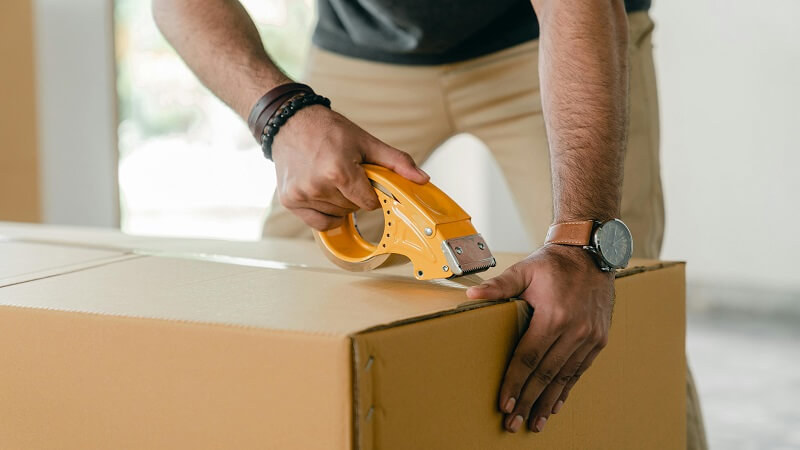
Packing should be done before the movers arrive. Sealing boxes during loading slows everything down. Pack room by room and label boxes clearly on more than one side. Use simple labels like “kitchen” or “bedroom” instead of vague notes. Keep boxes manageable in weight. Overfilled boxes break easily and are harder to carry. When packing finishes early, movers can focus on loading instead of waiting. This keeps the day on schedule and reduces stress for everyone involved.
Prepare Furniture for Easy Handling
Furniture needs attention before moving day. Empty drawers, shelves, and cabinets. Remove loose parts such as legs, shelves, and knobs. Place small pieces in labeled bags and keep them together. If a piece feels unstable, secure it or let movers know. This preparation prevents damage and saves time. When furniture is ready to move, loading becomes smoother. Movers don’t need to stop and adjust items, which helps protect your belongings and your home.
Protect Floors and Walls Ahead of Time
Moving heavy items through a home can cause damage if surfaces stay unprotected. Before the movers arrive, take time to cover floors in high-traffic areas. Cardboard, floor runners, or old rugs work well, especially near entrances and hallways. Remove wall art and mirrors from tight spaces to avoid bumps. Pay attention to corners and door frames, since these areas take the most impact. A little preparation can prevent scuffs and dents that are hard to fix later.
Plan Ahead for Kids and Pets
Moving day can feel loud and confusing, especially for children and animals. If possible, arrange care for kids and pets away from the home. If that’s not an option, choose a quiet room where they can stay safely. Keep snacks, toys, or comfort items nearby. Explain what’s happening in simple terms so kids feel prepared. A calmer environment helps movers work faster and lowers the chance of accidents or stress.
Handle Building Rules and Utilities Early
If you live in an apartment or shared building, check the rules before moving day. Some buildings require elevator reservations or set specific hours for moves. Let management know your plans so there are no surprises. Disconnect appliances ahead of time and secure water lines if needed. Make sure utilities stay on until loading is complete. These steps prevent delays that can throw off the entire schedule.
Set Aside Items That Need Extra Care
Some items need more attention than others. This includes fragile pieces, valuable items, and anything oversized or awkward to move. Group these items together and make them easy to identify. Point them out clearly on moving day so movers know what needs special handling. Avoid packing these items into random boxes. Clear communication helps protect belongings and keeps the process organized.
Do a Final Check the Night Before
The night before moving day sets the tone for the morning. Charge phones and keep important contacts handy. Set aside paperwork, keys, and moving documents in one place. Prepare snacks and water so you don’t need to search for food. Walk through the home one last time and confirm everything is ready. Getting rest matters too. A clear head helps you manage the day without stress.
Preparing your home before movers arrive makes a real difference. Clear paths, packed boxes, and simple plans help the day run smoothly. When everything is ready ahead of time, movers can focus on doing their job well. You spend less time fixing problems and more time moving forward. A well-prepared home turns a stressful day into a manageable one and helps you start the next chapter on the right foot.