A comfortable home often feels like something we notice only when it starts to change. A room that no longer cools evenly, a faint musty smell, or a door that sticks slightly can seem minor at first. These small comfort problems are easy to ignore because daily life keeps moving. Yet these early signs are often the first signals of deeper issues forming behind walls, under floors, or within essential systems.
When comfort issues are left unaddressed, they can quietly grow into repairs that demand more time, effort, and disruption. Understanding how small discomforts connect to larger home problems can help homeowners protect their living space and maintain long-term stability.
Cooling System Changes You Should Not Ignore
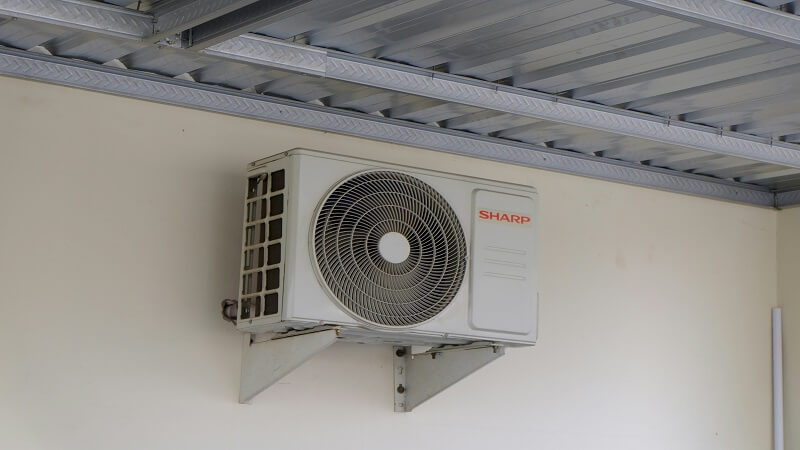
A home’s cooling system plays a central role in maintaining daily comfort, and even small changes in its performance can signal deeper concerns. Many homeowners first notice discomfort through inconsistent temperatures or rooms that no longer feel evenly cooled. These shifts are easy to dismiss, especially when the system is still running, but they often reflect internal strain that should not be overlooked.
Uneven cooling and weak airflow are signs your AC system needs repair and should be addressed early. When airflow is restricted or components are not working efficiently, the system is forced to operate harder to maintain comfort. Over time, this added strain can affect internal parts and reduce overall performance. What begins as a mild comfort issue can gradually lead to wear that impacts the entire system.
Heating Issues That Affect Comfort and Structure
Heating problems often reveal themselves gradually. A room that takes longer to warm up or a heater that cycles on and off more frequently can disrupt comfort without raising immediate concern. However, these symptoms can indicate deeper problems within the heating system or ductwork.
When heating systems do not operate smoothly, they can create uneven temperatures that affect walls, ceilings, and even flooring. Repeated temperature swings may cause materials to expand and contract in ways they were not designed to handle. Over time, this stress can lead to cracks, gaps, or weakened seals. What starts as a chilly room can eventually impact the structural integrity of certain areas of the home.
Moisture Problems That Begin with Minor Discomfort
Moisture is one of the most common hidden threats in a home. Early signs often present themselves as comfort issues. A damp feeling in the air, a lingering odor, or condensation on windows may seem harmless at first. Yet these signals often mean moisture is settling where it should not.
Excess moisture can quietly seep into walls, ceilings, and floors. Once inside, it can weaken materials and encourage further deterioration. Comfort problems like humidity imbalance are often the first indication that moisture control systems are not functioning as they should. Addressing these early discomforts helps prevent damage that can spread through multiple parts of the home.
Electrical Comfort Concerns and Their Hidden Impact
Electrical systems influence comfort more than many people realize. Flickering lights, outlets that feel warm, or switches that do not respond smoothly can all disrupt the sense of ease within a space. These issues may appear minor, but they often reflect stress within the electrical system.
When electrical components are under strain, they can generate excess heat. Over time, this heat can affect nearby materials, including insulation and wall surfaces. Small electrical comfort problems can therefore lead to broader damage that extends beyond the wiring itself. Recognizing and addressing these early signs helps maintain both comfort and safety throughout the home.
Insulation Gaps That Slowly Increase Repair Needs
Insulation works quietly in the background to maintain comfortable indoor conditions. When it performs well, rooms stay consistent in temperature, and energy flows smoothly. When insulation begins to fail, the first signs are often comfort-related. Drafts, temperature differences between rooms, or walls that feel unusually cool or warm can all point to insulation gaps.
These gaps allow outside conditions to influence the interior environment more than intended. Over time, this can lead to condensation, moisture buildup, and added stress on heating and cooling systems.
Doors and Windows That Affect More Than Airflow
Doors and windows play a crucial role in maintaining comfort. When they no longer seal properly, drafts and noise can enter the home. A slight breeze near a window or a door that rattles can be easy to dismiss, but these small issues often indicate shifting frames or worn seals.
As gaps widen, they allow moisture and outside air to enter more freely. This can affect nearby walls and floors, leading to swelling, warping, or surface damage. What begins as a minor comfort issue around a window or door can gradually spread to surrounding structures, increasing the scope of future repairs.
Indoor Air Quality and Everyday Comfort
Air quality has a direct impact on comfort. When indoor air feels stale, heavy, or irritating, it often suggests that ventilation or filtration systems are not performing as intended. These comfort issues can develop slowly, making them easy to accept as normal.
Poor air circulation can allow dust and moisture to settle in hidden spaces. Over time, this can affect walls, ceilings, and mechanical components. Addressing air quality concerns early helps maintain a healthier environment and reduces the risk of damage caused by trapped particles and moisture.
The Habit of Delaying Small Fixes
One of the main reasons small comfort problems grow into bigger repairs is the habit of delay. It is natural to adapt to minor inconveniences, especially when they do not disrupt daily routines. However, homes are interconnected systems. A problem in one area rarely stays isolated.
By addressing comfort issues when they first appear, homeowners can reduce the chance of damage spreading to other parts of the home. Small changes in temperature, moisture, or airflow often carry important information about what is happening behind the scenes.
A home communicates its needs through comfort. Listening to those signals and responding early helps maintain stability and peace of mind. Small comfort problems are rarely just about comfort.